Introduction
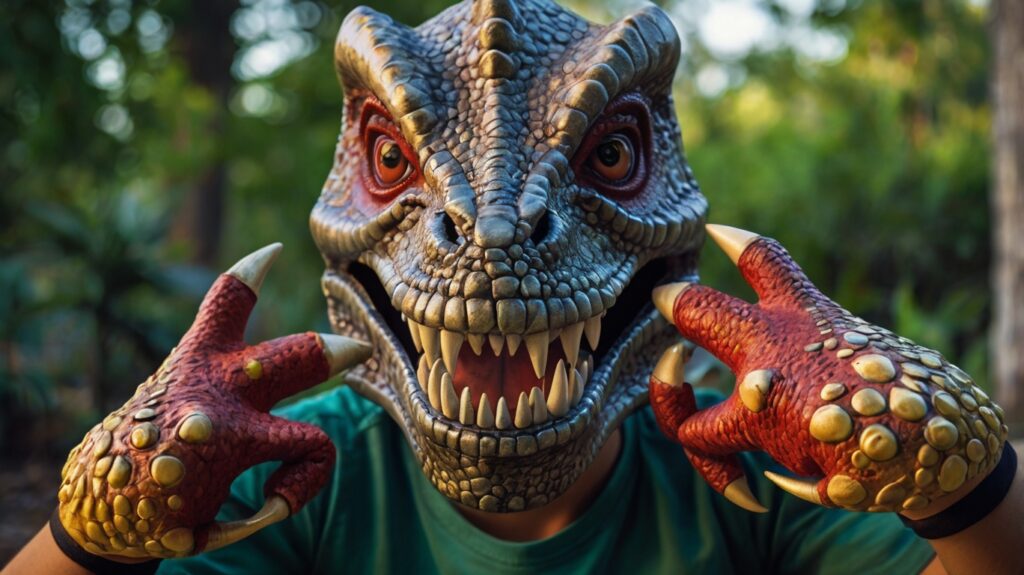
Dinosaur masks and claws are more than just simple accessories; they are the ultimate gateway to imaginative play, cosplay, and prehistoric adventure for kids. Whether you are gearing up for Halloween, setting up a themed birthday party, or preparing a stunning cosplay prop, getting the details right makes all the difference.
In this comprehensive guide, we will break down the best types of dinosaur gear, analyze materials for comfort and durability, and give you actionable DIY ideas to craft your own prehistoric look at home.
1. Types of Dinosaur Masks: Choosing the Right Style
Not all dinosaur masks are created equal. Depending on the age of the child and the intended use (play vs. display), you should choose one of these main styles:
- Full-Head Realism: These cover the entire head. They offer maximum immersion and are highly popular for older kids and collectors who want an accurate T-Rex or Velociraptor look.
- Half-Face Practicality: Sitting comfortably on the upper half of the face, these leave the mouth free. This is highly recommended for younger kids because it allows easy breathing and speaking.
- Action Chomp Masks: Popularized by recent movies, these masks feature a mechanical moving jaw that opens when the wearer opens their mouth, adding a whole new layer of interactive fun.
2. Material Breakdown: Safety and Durability
When selecting or crafting a mask, understanding the material science is crucial for safety and comfort during long hours of wear:
- EVA Foam (Highly Recommended): Lightweight, soft, and extremely impact-resistant. It is the gold standard material for DIY creators and safety-conscious parents.
- Eco-Friendly Latex: Offers incredible realistic skin textures for premium masks. Pro-Tip: Always check for latex allergies before purchasing for children.
- Molded Plastic: The most common affordable option. Ensure the plastic is BPA-free and features smooth edges to prevent scratching.
3. Step-by-Step DIY Dinosaur Mask Ideas
Crafting a mask at home is an excellent weekend project. Here are two practical ways to build one without needing advanced workshop tools:
Method A: The EVA Foam Layering Technique
- Get a Template: Print out a 2D dinosaur profile blueprint.
- Cut the Pieces: Trace the shapes onto 3mm and 5mm EVA foam sheets.
- Assemble: Use safe contact cement or a hot glue gun to layer the foam brows, teeth, and snout over a basic head band base.
- Paint: Seal with PVA glue and use non-toxic acrylic paints for the final prehistoric texture.
Method B: The Classic Paper-Mâche Upcycle
Use a balloon as a base, layer it with newspaper strips dipped in a 1:1 mixture of water and flour, let it dry for 24 hours, cut it in half, and carve out eye holes and teeth.
4. Dinosaur Claws: Enhancing the Prehistoric Look
A dinosaur is not complete without its fierce claws. To match the masks, you can explore:
- Glove-Integrated Claws: Fabric gloves with fabric or foam claws securely sewn onto the fingertips. This prevents the claws from falling off during active play.
- Individual Slip-On Claws: Molded rubber extensions that slide onto each finger individually, providing a highly articulation-friendly experience.
5. Ready to Build an Epic Prehistoric Costume? (Download Blueprint)
If you want to skip the guesswork and build a stunning, structurally perfect dinosaur setup, you need precision measurements.
We have designed a complete, printable Prehistoric DIY Template Pack on our store. It includes 1:1 scale printable blueprints for T-Rex masks and Velociraptor claws, complete with an optimized materials checklist.
👉 [Download the Ultimate Dinosaur Mask & Claws Printable Blueprint Pack on Gumroad here!] (Put your Gumroad link here)
Frequently Asked Questions (FAQs)
1. Are latex dinosaur masks safe for toddlers?
Generally, high-quality latex is safe, but it is not recommended for toddlers due to breathability limits and potential undiagnosed allergies. Stick to soft foam or half-face plastic masks for kids under 4.
2. How do I clean and maintain rubber dinosaur claws?
Avoid submerging them in boiling water. Wipe them down using a damp microfiber cloth with mild soap, and let them air dry away from direct sunlight to prevent the material from cracking.
3. What is the best glue for making foam dinosaur props?
For quick and sturdy bonds, use low-temperature hot glue. For professional, seamless cosplays, contact cement (applied in a well-ventilated area) provides the absolute best results.